
Essential Electrical Safety Tips for DIYers
Introduction
Embarking on DIY projects around the home can be a rewarding experience, but when it comes to electrical work, safety must be your top priority. Whether you're installing new lighting, rewiring outlets, or tackling any other electrical task, understanding and implementing essential electrical safety tips is crucial. This article outlines key precautions to help ensure your DIY electrical projects are both safe and effective.
Understand the Basics of Electricity
Before diving into any electrical project, it's important to have a basic understanding of how electricity works. Familiarize yourself with concepts such as voltage, current, and resistance. This foundational knowledge will help you grasp the potential hazards involved in electrical work and the importance of safety precautions.
Plan Your Project Carefully
Proper planning is vital for any DIY project, particularly those involving electricity. Consider the following steps:
- Assess the Scope: Determine what tasks you will be performing and whether they require professional assistance.
- Research: Gather information about the specific electrical codes and regulations in your area to ensure compliance.
- Gather Tools and Materials: Ensure you have the right tools and materials before starting. This may include wire strippers, screwdrivers, and appropriate electrical components.
Turn Off the Power
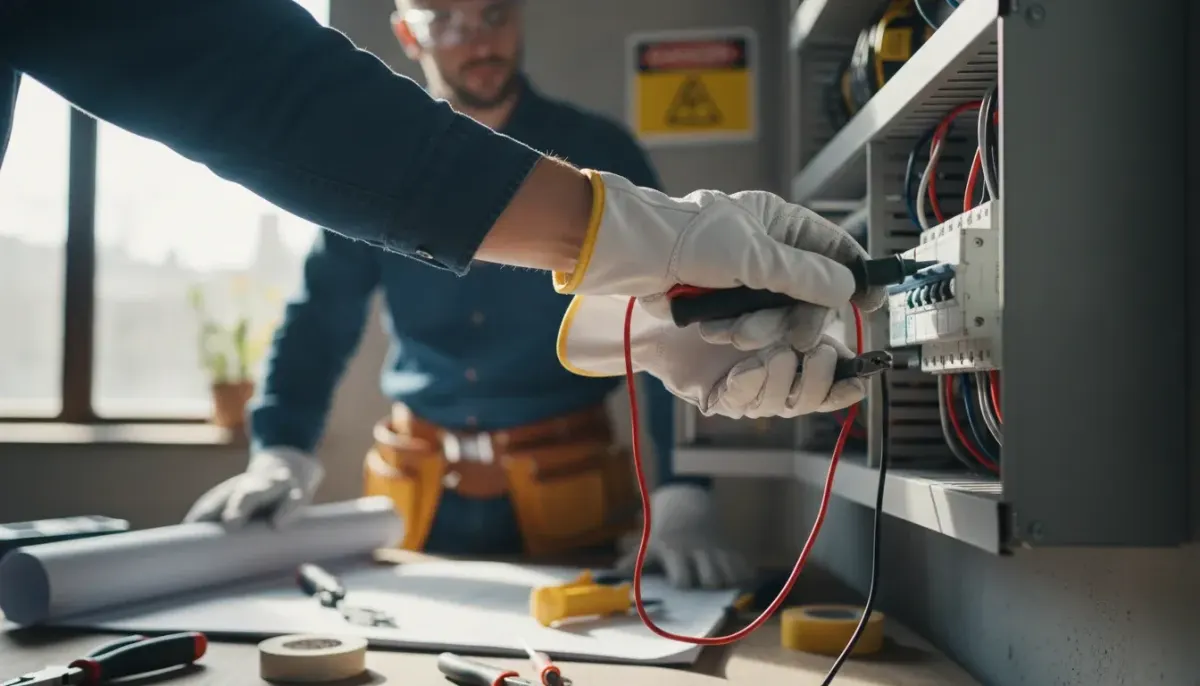
One of the most critical safety tips is to always turn off the power before starting any electrical work. Locate the circuit breaker or fuse box and switch off the appropriate circuit. Use a voltage tester to confirm that the power is off before touching any wires or fixtures.
Use Proper Tools and Equipment
Using the right tools is essential for electrical safety. Make sure to use insulated tools designed for electrical tasks, which can help prevent accidental shocks. Additionally, consider wearing personal protective equipment (PPE) such as gloves and safety goggles to further protect yourself.
Follow Electrical Codes and Regulations
Adhering to local electrical codes is crucial for safety and legality. These codes ensure that electrical installations are safe and reliable. When undertaking DIY electrical projects, make sure you:
- Consult local building codes and regulations.
- Use materials that meet safety standards.
- Consider obtaining necessary permits if required.
Be Cautious with Wiring
When working with wiring, take extra precautions:
- Inspect Wiring: Before connecting or modifying any wiring, inspect it for damage, fraying, or corrosion.
- Use the Correct Wire: Ensure you’re using the appropriate gauge wire for your project, as using the wrong size can lead to overheating and potential fire hazards.
- Secure Connections: Make sure all connections are secure and well-insulated to prevent short circuits.
Be Aware of Your Surroundings
Your work environment plays a significant role in electrical safety. Keep the area around your project clean and free of clutter. Ensure that you are not working in wet or damp conditions, as moisture increases the risk of electrical shock. Additionally, avoid using electrical tools near water sources.
Know When to Call a Professional
While DIY projects can be fulfilling, it's essential to recognize your limitations. If you encounter complex issues or feel uncertain about any aspect of your project, it's best to call a licensed electrician. Safety should always come first, and professionals have the training and experience to handle electrical work safely.
Conclusion
Electrical safety is paramount when undertaking DIY projects. By following these essential safety tips, you can significantly reduce the risk of accidents and ensure that your home improvement tasks are completed safely and effectively. Remember to educate yourself about electrical work, plan thoroughly, and don't hesitate to seek professional help when needed. Your safety is worth it.