
Understanding Circuit Breakers: A DIY Guide
Introduction to Circuit Breakers
Circuit breakers are essential components in any electrical system, acting as safety devices that protect your home from overloads and short circuits. Understanding how they work and when to replace them can empower you to tackle electrical issues with confidence. This DIY guide will delve into the ins and outs of circuit breakers, enhancing your electrical knowledge and aiding in home maintenance.
What Are Circuit Breakers?
A circuit breaker is an automatic electrical switch designed to protect an electrical circuit from damage caused by overload or a short circuit. Unlike fuses, which must be replaced after they blow, circuit breakers can be reset after tripping, making them a more convenient option for modern homes.
Types of Circuit Breakers
There are several types of circuit breakers, each serving a specific purpose:
- Standard Circuit Breakers: These are the most common, designed to protect general circuits in a home.
- Ground Fault Circuit Interrupters (GFCI): These breakers protect against electrical shock by shutting off the circuit when they detect a ground fault.
- Arc Fault Circuit Interrupters (AFCI): These breakers prevent fires by detecting arcing faults in wiring.
- Dual Function Breakers: These combine the functions of GFCI and AFCI, providing comprehensive protection.
How Do Circuit Breakers Work?
Circuit breakers operate on a simple principle: they monitor the current flowing through a circuit. When the current exceeds a predetermined limit, the breaker trips, cutting off the electrical supply to prevent damage. The mechanism involves:
- Electromechanical Mechanism: This component physically disconnects the circuit when a fault is detected.
- Thermal and Magnetic Sensors: These detect overloads and short circuits, respectively, triggering the trip mechanism.
Signs That You Need to Replace a Circuit Breaker
Knowing when to replace a circuit breaker is crucial for maintaining the safety and efficiency of your electrical system. Here are some signs that indicate it may be time for a replacement:
- Frequent Tripping: If a breaker trips frequently, it may be a sign of an underlying problem or that it is worn out.
- Burnt Smell or Discoloration: Any burning smell or discoloration around the breaker indicates potential overheating and requires immediate attention.
- Physical Damage: Visible cracks or damage to the breaker itself means it is no longer safe to use.
- Old Age: Circuit breakers typically last for 30-40 years. If your home has older breakers, consider replacing them as a precaution.
How to Replace a Circuit Breaker: A Step-by-Step Guide
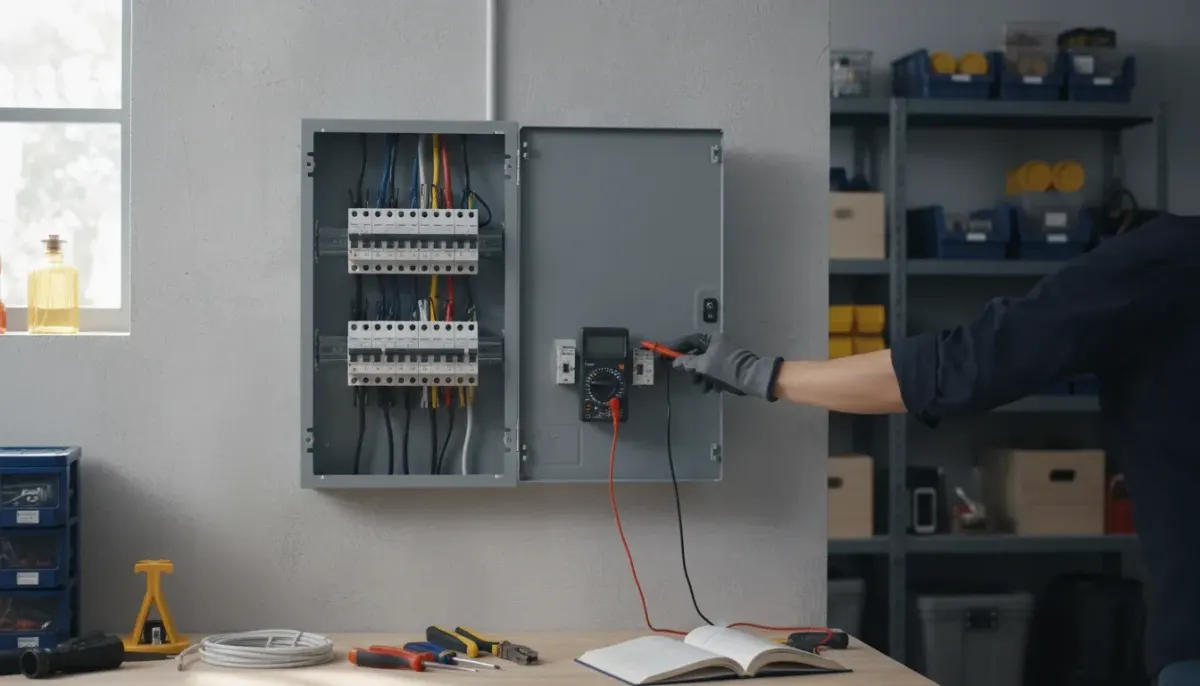
Replacing a circuit breaker can be a straightforward process if you follow safety precautions and the right steps:
- Turn Off the Main Power: Ensure the main power supply is off to avoid electrical shock.
- Remove the Panel Cover: Use a screwdriver to carefully remove the cover of the circuit breaker panel.
- Identify the Faulty Breaker: Locate the breaker that needs replacement. It will usually be in the 'off' position.
- Disconnect Wires: Use a screwdriver to loosen the screws holding the wires in place and carefully remove them.
- Remove the Old Breaker: Pull the faulty breaker out of the panel.
- Install the New Breaker: Insert the new breaker into the same slot and secure the wires back in place.
- Replace the Panel Cover: Once everything is securely in place, replace the panel cover.
- Turn On the Power: Restore power to the circuit and test the new breaker.
Final Thoughts
Understanding circuit breakers is vital for any homeowner looking to maintain their electrical system safely and effectively. With this DIY guide, you now have the knowledge to recognize when a breaker needs replacement and how to perform the task yourself. Always prioritize safety when working with electricity, and don't hesitate to consult a professional if you're unsure about any steps. Empowering yourself with electrical knowledge can save you time and money while ensuring the safety of your home.