
Eco-Friendly Electrical Solutions for a Sustainable Home
Introduction
As the world increasingly focuses on sustainability, homeowners are seeking eco-friendly electrical solutions to reduce their carbon footprint. Implementing energy-efficient practices not only benefits the environment but also leads to significant savings on energy bills. This article explores various technologies and methods that enhance energy efficiency in your home, creating a sustainable living space.
Understanding Energy Efficiency
Energy efficiency refers to using less energy to provide the same service. It is a crucial aspect of creating a sustainable home. By adopting energy-efficient electrical solutions, homeowners can minimize waste and reduce greenhouse gas emissions. This not only contributes to environmental conservation but also promotes a healthier living environment.
Benefits of Energy Efficiency
- Cost Savings: Reducing energy consumption leads to lower utility bills.
- Environmental Impact: Decreasing energy use helps lower carbon emissions.
- Increased Comfort: Proper insulation and efficient systems create a more comfortable home.
- Property Value: Energy-efficient homes often have higher resale values.
Eco-Friendly Electrical Solutions
1. Energy-Efficient Appliances
Investing in energy-efficient appliances is one of the most effective ways to enhance energy efficiency in your home. Look for appliances labeled with the Energy Star designation, which indicates they meet strict energy efficiency guidelines. Common appliances to consider include:
- Refrigerators
- Washing machines
- Dishwashers
- Water heaters
2. LED Lighting
Switching to LED lighting is a simple yet impactful eco-friendly electrical solution. LED bulbs use up to 75% less energy than traditional incandescent bulbs and last significantly longer. By replacing your home’s lighting with LEDs, you can drastically reduce energy consumption while enjoying brighter, more efficient illumination.
3. Smart Home Technologies
Integrating smart home technologies can greatly improve energy efficiency. Smart thermostats, for example, learn your schedule and adjust heating and cooling accordingly, reducing unnecessary energy use. Other smart devices, such as smart plugs and lighting systems, allow for remote control and automation, ensuring that energy is only used when needed.
4. Solar Power Systems
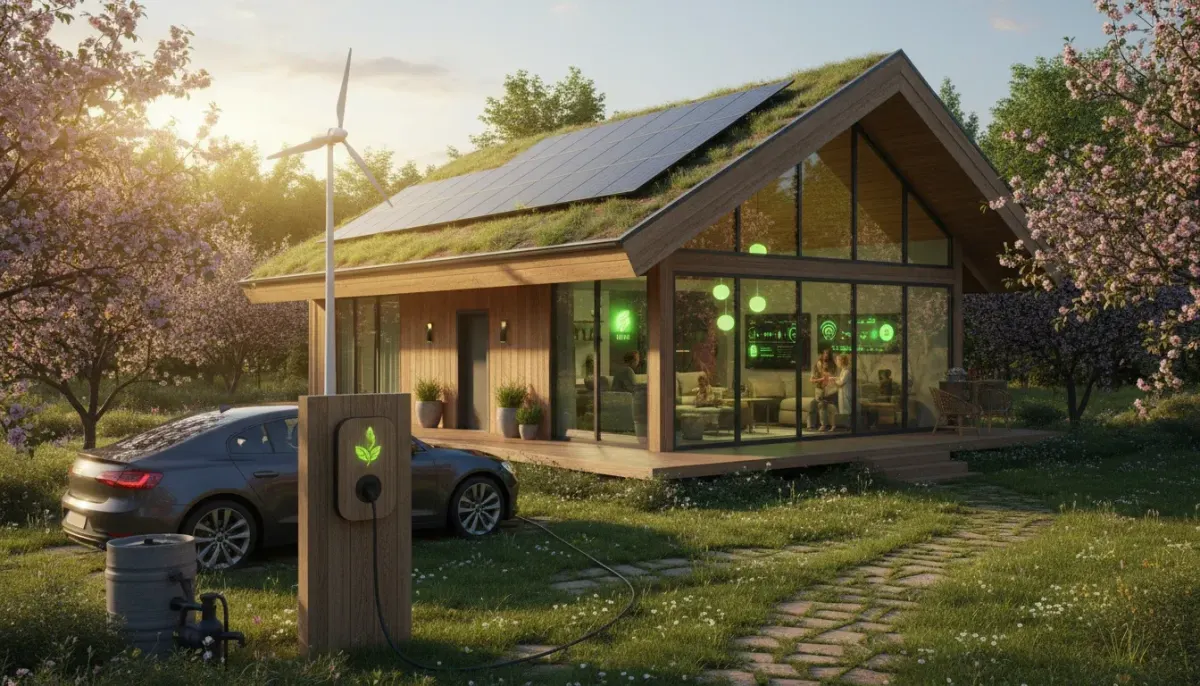
Installing solar panels is an excellent way to harness renewable energy for your home. Solar power systems can significantly reduce your reliance on grid electricity, lowering your carbon footprint. While the initial investment can be substantial, many governments offer incentives and tax credits that can help offset the costs.
5. Energy Audits
Conducting an energy audit can help identify areas where your home may be losing energy. An energy audit typically involves a professional assessment of your home’s insulation, heating and cooling systems, and electrical usage. By addressing the issues found during the audit, you can implement targeted eco-friendly electrical solutions.
Sustainable Practices for a Greener Home
1. Regular Maintenance
Routine maintenance of electrical systems and appliances is vital for sustaining energy efficiency. Regularly clean and replace filters in HVAC systems, inspect electrical wiring, and ensure appliances are functioning correctly. This not only prolongs the lifespan of your equipment but also maintains optimal energy performance.
2. Optimize Insulation
Good insulation is key to conserving energy in your home. Properly insulated walls, attics, and basements help keep the desired temperature inside, reducing the need for heating and cooling. Consider using eco-friendly insulation materials, such as cellulose or spray foam, which have lower environmental impacts.
3. Engage in Energy Conservation Practices
Beyond technology and appliances, simple behavioral changes can also contribute to a sustainable home. Turning off lights when leaving a room, unplugging devices when not in use, and using natural light whenever possible are all effective ways to conserve energy.
Conclusion
Creating a sustainable home that incorporates eco-friendly electrical solutions is an achievable goal for any homeowner. By focusing on energy efficiency through the adoption of energy-efficient appliances, smart technology, and renewable energy sources, you can significantly reduce your carbon footprint. Implementing these practices not only benefits the environment but also enhances your quality of life and saves money in the long run.